The Flavors of Latin America: Key Ingredients, Regional Roots, and Plant-Based Traditions
Latin American and Caribbean cuisines emerged from centuries of exchange between Indigenous civilizations, Spanish colonizers, and African communities brought to the region through the transatlantic slave trade. That layered history shaped a culinary tradition where plants have always held central ground - corn, beans, plantains, and root vegetables were staples long before any European contact. This guide covers the flavor bases that anchor these cuisines, the most widely used ingredients, the regional rice and bean dishes that vary from island to island, and the plant-based cooking options appearing in contemporary kitchens.
Flavor Foundations and the Everyday Staples of the Region
Before any protein hits a pan or any broth begins to simmer, Latin American and Caribbean cooks tend to start in the same place: a fragrant base of aromatics that gives the dish its character. Two elements define this foundation more than any other - sofrito and adobo.
Sofrito and Adobo
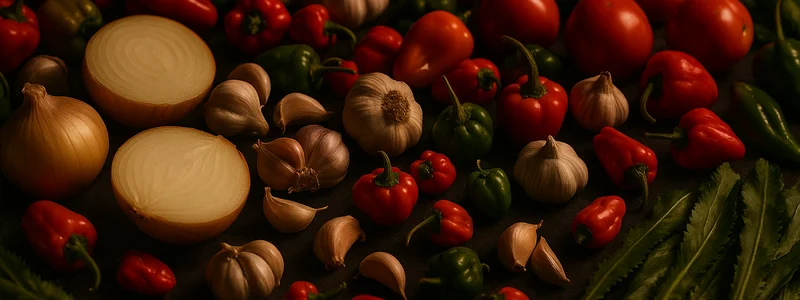
Sofrito is a cooked aromatic blend, typically built from onion, garlic, tomatoes, and peppers, used to open nearly every savory dish. Its exact composition shifts by country. Puerto Rican sofrito leans heavily on ají dulce peppers, culantro (a long-leafed herb sharper than cilantro), and recao, and is often blended raw rather than cooked down first - this version is sometimes called recaíto when tomato is omitted. Cuban sofrito tends to include green bell pepper and tomato paste. The Dominican Republic's base, known locally as sazón, incorporates oregano and vinegar. Spanish sofrito is slower-cooked and tomato-forward, closer to a sauce than a paste.
Adobo functions differently. As a dry seasoning blend, it typically combines garlic powder, oregano, black pepper, turmeric, and salt. In Puerto Rico, it's shaken over meat before cooking. In Mexico and parts of Central America, the word describes a wet marinade or chili-based paste used to flavor stewed or braised dishes.
Plantains
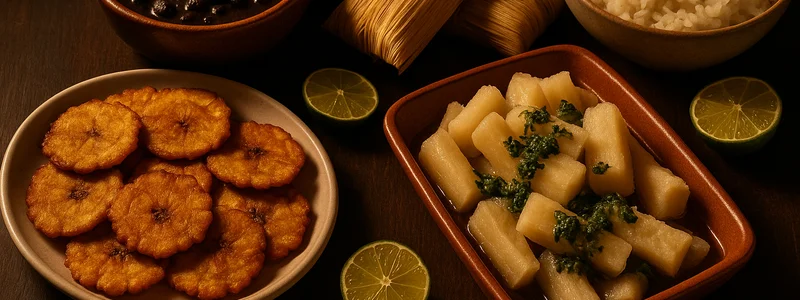
Though they share a genus with the common banana, plantains are starchier, less sweet when unripe, and rarely eaten raw. Green plantains are dense and almost savory, ideal for tostones - slices fried once, smashed flat, then fried again until crisp. As the skin yellows and darkens to black, the starch converts to sugar, producing the soft, caramelized maduros served alongside rice and beans. Mofongo, a Puerto Rican dish, uses green plantains mashed with garlic and pork fat into a dense, savory ball.
Yuca
Cassava - known as yuca across much of the Caribbean and Latin America - is a starchy tuberous root cultivated widely from Brazil to Cuba. Its flesh is white and firm, with a mild, slightly earthy flavor that absorbs seasoning well. Boiled yuca served with mojo, a garlic-citrus sauce, is common across Cuba and the Dominican Republic. Fried yuca follows the same logic as fried potato, producing a crisp exterior with a dense interior. Mashed preparations appear in Colombian and Venezuelan cooking. Raw cassava contains naturally occurring compounds that require heat to neutralize, so it is always cooked before eating.
Rice, Beans, and the Structure of Regional Meals
Few combinations carry as much cultural weight in Latin American and Caribbean cooking as rice and beans. Across a region that spans dozens of countries and climates, this pairing appears in some form on nearly every table, every day - not as a side dish or an afterthought, but as the structural center of a meal. The specific beans used, how they're seasoned, and whether they're cooked together with the rice or served alongside it tells you quite a lot about where you are.
Arroz con Habichuelas - Puerto Rico
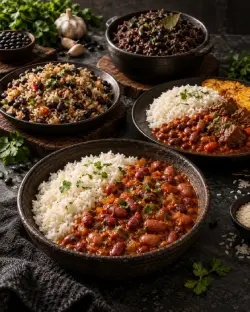
In Puerto Rico, rice and beans are typically prepared and served separately. Pink or red kidney beans are simmered in a sauce built from sofrito - a blend of recao, garlic, onion, ají dulce, and tomato - along with sazón and sometimes a small amount of ham or pork fat. The beans are sauced and spoonable, ladled over white rice at the table.
Moros y Cristianos - Cuba
Cuban black beans and rice are cooked together in a single pot, which gives the finished dish its characteristic dark, unified color. The name translates loosely to "Moors and Christians," a reference with medieval Spanish origins. Cumin and bay leaf appear here in ways they typically don't in Puerto Rican preparations, lending the dish a distinctly earthier profile.
Gallo Pinto - Costa Rica and Nicaragua
Gallo pinto takes leftover rice and beans - usually black beans in Nicaragua, red beans in Costa Rica - and fries them together in a pan, often with Lizano sauce in the Costa Rican version. The result is a cohesive, slightly crisp mixture eaten at breakfast as readily as dinner.
La Bandera Dominicana - Dominican Republic
Named after the national flag, la bandera dominicana pairs white rice, stewed red beans, and meat, with the beans cooked separately in a tomato-based sauce seasoned with sofrito. The dish appears on Dominican tables at midday with a consistency that reflects its role as a daily staple rather than a special occasion meal.
Wrapped, Filled, and Fried - Regional Variations in Empanadas and Tamales
Few dishes reveal Latin America's culinary diversity as clearly as these two. Both are ancient in concept, endlessly variable in practice, and present in nearly every country across the region - yet no two versions are quite the same.
Empanadas
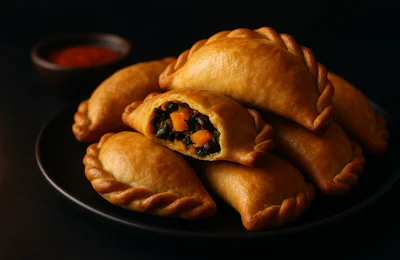
Brought to the Americas by Spanish colonizers, empanadas took root and evolved into something distinctly local in each country. The dough itself is the first point of difference. Argentine empanadas use a wheat-based pastry that's either baked or fried depending on the province, with fillings ranging from spiced ground beef and hard-boiled egg to ham and cheese. Colombian versions, particularly from the Andean interior, are made with masa de maíz - a corn-based dough - and typically fried, with fillings of potato, peas, and sometimes meat. Chilean empanadas de pino, baked and generously sized, are among the most recognizable, filled with beef, onion, olives, and raisins. That combination of savory and faintly sweet is characteristic. Cheese-filled empanadas appear across Ecuador and Venezuela, and fully plant-based versions with squash, spinach, or black bean fillings are common in home kitchens throughout the region.
Tamales
Pre-dating European contact by thousands of years, tamales are among the oldest prepared foods in the Americas. The base is masa, a dough made from nixtamalized corn, which is spread onto corn husks or banana leaves, filled, wrapped, and steamed. Corn husks are typical in Mexico and much of Central America; banana leaves appear more often in southern Mexico, Guatemala, and across South America, lending a subtly grassy aroma. Mexican tamales tend toward a lighter, fluffier texture, while Guatemalan chuchitos are denser and smaller. Oaxacan tamales negro, wrapped in banana leaf and filled with mole negro, represent one of the more complex regional expressions. Fillings range widely - rajas (roasted chile strips) with cheese, black beans, chicken in salsa verde - and plant-based tamales have always existed alongside meat-filled ones, not as substitutes but as their own tradition.
Plant-Based Traditions and Modern Ingredient Adaptations
Long before plant-based eating became a marketing category, Latin American cuisines were already built on beans, corn, squash, and root vegetables. The distinction worth drawing is between those foundational staples and a newer set of ingredients that cooks are using to replicate the texture and function of meat in traditionally meat-centered dishes.
Jackfruit
Native to South and Southeast Asia but now cultivated across tropical regions of Latin America and the Caribbean, jackfruit is a large tree fruit with a fibrous interior that, when harvested unripe and cooked, pulls apart in a way that closely resembles shredded pork or beef. Young green jackfruit has a neutral flavor and absorbs spices and sauces readily, making it a practical base for dishes like ropa vieja or carnitas-style fillings seasoned with sofrito and adobo.
Tofu, Tempeh, and Seitan
Tofu is made from coagulated soy milk pressed into blocks, ranging from silken to extra-firm. Firm tofu can be marinated and pan-fried to stand in for chicken or beef in stews. Tempeh, a fermented soybean product originally from Indonesia, has a denser, nuttier profile and holds up well to grilling or braising. Seitan, made from hydrated wheat gluten, has a chewy, meaty texture and works well in dishes calling for sliced or chunked meat.
Glossary of Common Terms
Sofrito: An aromatic cooking base made with onion, garlic, peppers, and herbs, with variations across different countries.
Adobo: A seasoning blend or marinade that typically includes garlic, oregano, and citrus.
Sazón: A spiced seasoning blend often containing annatto, cumin, and coriander.
Masa: Dough made from nixtamalized corn, commonly used for tamales and tortillas.
Tostones: Twice-fried slices of green plantain.
Maduros: Sweet fried slices of ripe plantain.
Mofongo: Mashed fried green plantains mixed with garlic and fat.
Recaíto: A Puerto Rican blend of herbs and aromatics commonly used as a base for sofrito.
These Ingredients Tell the Story of the Table
Corn, beans, plantains, yuca, and masa reflect centuries of Indigenous, African, and colonial influence across Latin America and the Caribbean. Sofrito and adobo vary by region, while plantains become tostones, maduros, or mofongo depending on ripeness and technique. Rice and beans, empanadas, tamales, and yuca also take distinct local forms. Together, these foods show cuisines shaped by geography, history, and generations of practical cooking knowledge rather than one uniform tradition.